
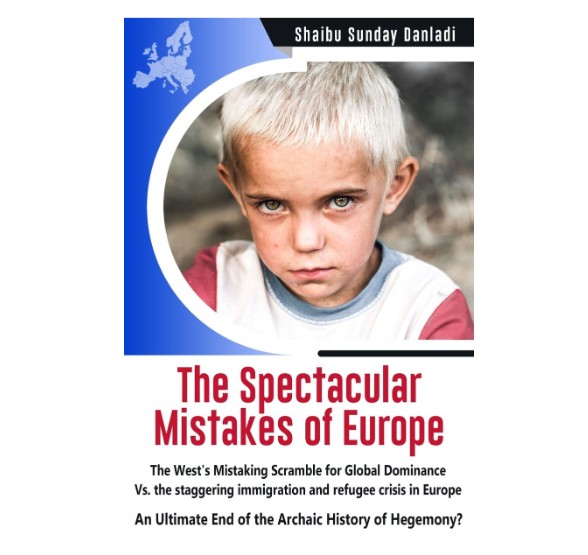
The Spectacular Mistakes of Europe investigates some of the fundamental ideologies and dynamics of the events leading to the massive “forced refugee tragedies” in the West, as well as the trends that led to multiple invasions of Middle Eastern and other developing sovereign states for the past decades. This book critically examines the various complexities involved and thoughtfully attempts to answer questions that may have contributed to the current staggering number of refugees and marvelous resettlement of “Middle East Citizens” as refugees in most Western nations. The book carefully scrutinizes issues with refugee selectivity or rejection in parts of the European borders. The Spectacular Mistakes of Europe offer plausible clues on the future of fantastic "forced refugee" integration across Europe, as well as how today's forced refugees into Europe may directly or indirectly drive many Western nations into ideological clashes over infringement on "our values versus their values" scenarios. The ultimate worry within the West in the near future may be what integrated refugees in the West may signify in their naked footage. I thoroughly assessed and examined these apparent concerns as they relate to what I refer to as the "mixed culturalization of West-Arab Europe" of the future. The choice of mixed cultural heritage
in the later West was a stunning blunder in the decisions made by Western decision-makers. Regardless, the increased chance of extra regime change outside the West may raise the likelihood of Middle Eastern values encroaching on Western-protected ideals in general. The author highlights major difficulties and explains the origins of today's massive influx of refugees into most European capital cities, present-day challenges, and the potential catastrophes that may or may not hunt the West's domestic ambiguities if urgent and stimulating recommendations in this book are not carefully looked into and fixed. The Spectacular Mistakes of Europe book also discusses various observed causes of Europe's spectacular blunders, arguing that conflicts and wars are not the only ways to demonstrate hegemony in the 21st century age of expanded globalization. The book offers stunning ideas that may establish the groundwork for a harmonious vision of peace and stability globally, as well as the finest solutions for addressing the catalysts underlying the eventual influence of today's what I refers as “forced refugee” populations on the so-called Western values.
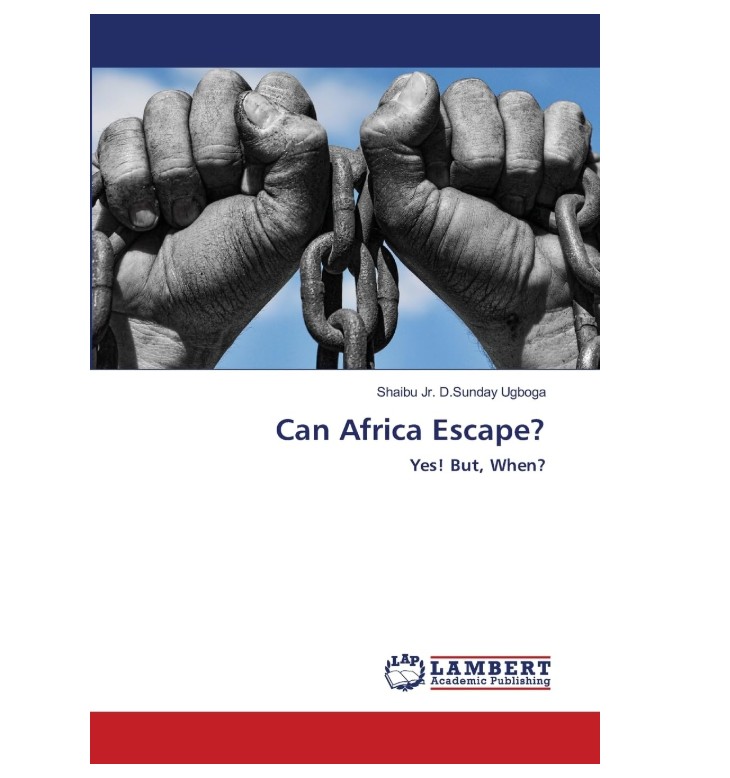
Can Africa Escape? The initial question to consider is, from whom can Africa escape? For comprehensive insights, refer to the book by Shaibu D. S. Ugboga. Can Africa Escape is an authoritative examination of contemporary Africa, focusing on the questionable dynamism of international relations, politics, and political economy as they pertain to global ethics. The author skillfully presents a compelling and revised overview of African internal sovereignty, tracing its evolution from pre-colonial times through post-decolonization and the democratization processes that followed the 1990s.
Shaibu Jr. posits those various internal challenges in Africa, such as the characterization of the continent as a "Poverty Paradise" and an "Aid Continent," are not coincidental; rather, they reflect a deliberate strategy by certain capitalist states driven by a mendacious business ethos in Africa.
This deliberate strategy has ideologically undermined the internal sovereignty and industrialization of many African nations. The author argues that the intentional underdevelopment of Africa, facilitated by industrial democratization efforts and other obstructive measures, has significantly contributed to the inability of African nations to achieve essential industrialization and has resulted in economic failures of many African states.
Indeed, the about issues raised stem from the artificial creation of many of Africa's modern sovereign states, which have led to both political and economic vulnerabilities while the capitalist had continued to inflect injury of exploitations without development across the continent since post decolonization.
Undoubtedly, this book presents a unique and persuasive portrayal of the realities in Africa and the factors contributing to the inadequacies of modern African sovereignty. Shaibu Jr. provides readers with a credible argument regarding the internal impediments faced by Africa since the post-democratization era and continuing into the contemporary age of globalization. This well-researched, articulate, and insightful work elucidates the various challenges confronting the modern African continent and its historical struggles.
This book has thoroughly examined some of the fundamental and most neglected questions responsible for the significant aspects of Africa's origins of dependency, technological
development, and wars. A journey into the heartland of Africa has truly been conveyed in this book. Grab your copies early as we move into an age of changing times in Africa's political and economic landscape
African Hegemony inside the Heartland: "Who is in Charge"? Nigeria’s Role in African Regional Affairs, (PP. 201) in Strategic and Geopolitical Issues in the Contemporary World. (This book first published (2013) Cambridge Scholars Publishing